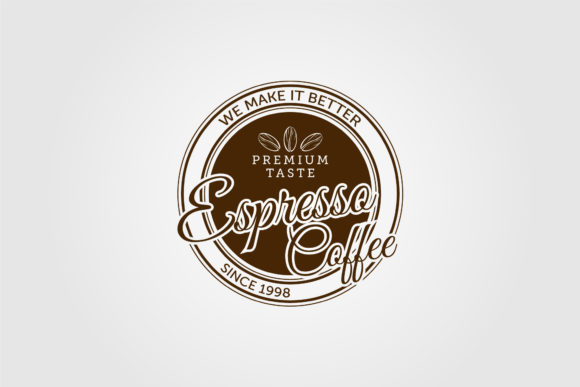
A Vintage Logo Review for Coffee Shop Graphics & Logos
The First Impression: Warm, Timeless, and Instantly Evocative
Opening the files for Vintage Logo for Coffee Shop Icon Vector, the immediate feeling is one of warmth and crafted history. This isn’t a stark, modern mark; it’s a graphic design asset that whispers of handwritten signs, aged paper, and cozy corners. The visual elements feel deliberate—a classic coffee cup icon paired with typography that has a gentle, worn-in character. This style naturally fits clients who are building a brand around authenticity, craftsmanship, or a niche, story-driven product. Imagine a small business branding project for a micro-roastery, a handmade pottery café, an Etsy shop selling artisan coffee blends, or a local event like a neighborhood harvest festival. This logo provides an instant visual mood, moving the design direction away from generic and towards something with palpable personality.
Real-World Application: From Packaging to Social Media
In practical design situations, this asset’s versatility becomes clear. For logo design and brand identity, it serves as a strong foundational graphic. As a vector-based design, it can be resized flawlessly for everything from a tiny product label on a jar to a large poster or storefront sign. I immediately envision it on packaging design—kraft paper bags, sticker seals for mason jars, or elegant labels for bottled cold brew. For merchandise like t-shirt design, tote bags, and mugs, the vintage aesthetic translates perfectly, especially for sublimation design or print-on-demand products.
In digital spaces, it becomes a key asset for website graphics, blog visuals, and especially social media graphics. Its textured, illustrative quality makes it stand out in Instagram posts or Pinterest pins against cleaner backgrounds. It could anchor a series of Canva templates for a café’s monthly promotional content. For editorial design, such as a zine or local magazine feature about the business, it adds a decorative accent that reinforces the brand’s theme. It’s also a prime candidate for Cricut projects, allowing crafters or the business itself to produce custom vinyl decals or window stickers.
Where This Vintage Logo Shines
This graphic excels in certain applications. Use it boldly in large layout areas like hero graphics on a website or large format posters—the details will be appreciated. It works beautifully in product mockups, adding a layer of realism to digital presentations. It’s ideal for creating themed collections, where the same logo asset can be adapted across a campaign for seasonal drinks or a new product line. Think of it as a decorative accent on packaging details, like a corner stamp on a box, or as the central art for printable designs like wall art for the shop itself. Its character makes it a strong, engaging focal point.
Considerations for Optimal Use
There are scenarios where a designer should apply this asset carefully. At very small sizes, some of the finer vintage detailing might become lost or muddy, compromising readability. In crowded layouts with lots of competing text or images, its intricate nature could confuse the visual hierarchy. Avoid placing it on complex backgrounds or low-contrast designs; it needs a clean, supportive space to be legible and effective. While it evokes professionalism through its craftsmanship, it may not suit projects requiring ultra-minimalist branding or very corporate, sleek materials. The mood is specific—warm and niche—not broadly neutral.
The Impact on Brand Perception and Practicality
Using Vintage Logo for Coffee Shop Icon Vector directly affects a project’s perceived trust and emotional appeal. For a handmade business or a small business branding project, it builds visual trust by suggesting care and tradition. It boosts audience engagement by being distinctive and story-rich. The overall impression moves from “just a shop” to “a place with a story.” However, to ensure this professionalism is maintained, a designer must manage brand consistency. The non-editable text means the specific typography is locked, which can be a blessing for consistency but a limitation if the client’s name doesn’t fit. The editable vector elements, however, allow for color changes or compositional tweaks to align with a broader brand palette.
Essential Designer Checks Before Client Delivery
Before committing this asset to a real client project, run these practical tests. First, test it in black and white to ensure the core iconography holds up without color dependency. Check contrast by placing it on both light and dark backgrounds to confirm legibility. Preview it at small and large sizes—simulate a social media profile picture size and a large banner size. Crucially, place it on real mockups you’re preparing for the client: a mug, a bag, a website header. If print applications are involved, test print quality at a standard resolution; the provided JPG is likely for previews, but the vector EPS, SVG, and PDF files are for final production.
Review the file formats carefully. The note about opening the EPS file in Adobe Illustrator is sound—this ensures you access the full, editable vector paths. The SVG file is invaluable for web integration or Cricut project software. Confirm the commercial license terms for this digital product before any client or business project use. Finally, compare the asset’s style with your chosen supporting fonts. This vintage logo will pair more naturally with serif or display font styles for headers; a clean sans serif for body text might provide a necessary, readable counterbalance.
Final Judgment: A Polished Asset for The Right Narrative
Vintage Logo for Coffee Shop Icon Vector is a specific but powerful creative asset. It won’t fit every project, but for the right narrative—one centered on authenticity, craft, and warmth—it accelerates the design process immensely. It provides a polished, ready-made core graphic that elevates marketing visuals, packaging design, and digital presence away from amateurish DIY. For designers serving clients in niche food, craft markets, or local experiences, it’s a resource that blends efficiency with distinctive creative design. The key is to leverage its strengths in spacious, focused applications and to perform those essential practicality checks, ensuring the vintage charm translates into clear, professional, and engaging commercial design across all mediums.