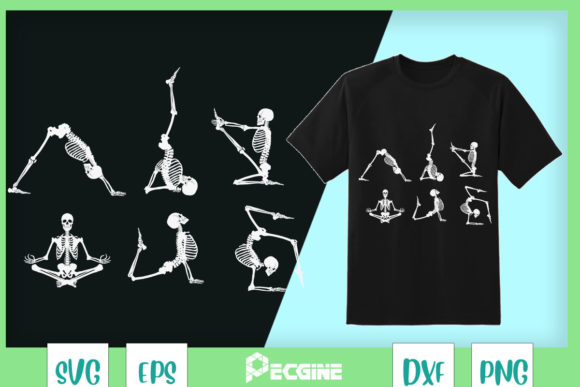
A Yoga Fan's Delight: The Yoga Skeleton Design
When a new embroidery file lands in my digital library, the first question I ask isn't about formats. It’s about the story it’s going to stitch. The Yoga Skeleton for a Yoga Fan design, as a piece of craft-ready art, immediately tells one. It's clever, it's modern, and it taps into a very specific, joyful niche. For designers and makers looking for a design that bridges humor and wellness, this offers a fantastic starting point.
The Quiet Charm of a Meditating Bone Structure
The initial visual personality here is lighthearted and sophisticated. It’s not a loud, cartoonish joke; it’s a witty, minimalist statement. The skeleton isn’t just posing—it’s genuinely engaged in a peaceful yoga posture. This creates a mood of intelligent fun. It feels like a design for someone who appreciates both anatomy and mindfulness, making it perfect for personalized gifts for yoga teachers, studio owners, or enthusiasts. The layout is clean, and the detail level appears balanced—not overly dense, which is a good sign for machine embroidery clarity on apparel.
A Design Born for the Boutique Tote Bag
In my real-life project planning, I picture this on a high-quality canvas tote bag first. It’s a natural fit. A yoga practitioner carrying their gear in a bag adorned with this embroidery design feels authentic and bespoke. The scale would work beautifully on the flat panel of a tote, allowing the clean lines to shine. I’d also consider it for a premium cotton sweatshirt embroidery or a linen apron—products that carry a sense of craft and personal identity. The theme lends itself to small shop merchandise for wellness boutiques or Etsy stores focusing on niche, intelligent gifts.
Where This Skeleton Stretches Its Limits
While the design appears adaptable, its successful application depends on thoughtful execution. The included file bundle—SVG, PNG, DXF, EPS—means you can adapt it for various techniques, but for embroidered outcomes, careful planning is key. Areas with potential fine detail, like the skeleton's fingers or the subtle curves of the pose, demand attention. On very textured fabrics like some fleeces or on stretchy fabric without proper stabilizer, those details could lose definition.
I’d advise against using it on very small items like baby clothes caps unless you significantly simplify or scale it down, as stitch density in small areas could become puckered and stiff. Similarly, on dark fabric, a thoughtful thread color selection is paramount. A simple white or light grey might not provide enough contrast; consider a cream or even a metallic silver thread to make the design pop while maintaining its elegant vibe. Always test the design on scrap fabric first to check how these details translate into physical stitches.
Turning a Digital File into a Trusted Product
The visual appeal of this design, when stitched well, directly impacts product value and customer trust. A crisp, clean Yoga Skeleton on a tea towel or pillow cover speaks of craftsmanship. It elevates a simple item into a conversational handmade product. For Etsy sellers or craft business owners, this kind of design can strengthen brand consistency if you cater to a wellness or intellectual-humor market. Its giftability is high—it’s recognizable yet personal, perfect for holidays or teacher appreciation.
From a commercial standpoint, before running any commercial embroidery projects, you must confirm the licensing terms included with the download. The product category is T-Shirt Designs and Graphics, which typically implies use for finished products, but always verify. This step is crucial for professional apparel decorators and digital product sellers offering the finished item.
A Designer's Practical Stitching Notes
Approaching this as a real embroidery project, my process would be methodical. After confirming the hoop size needed for my intended product—likely a medium hoop for that tote bag—I would examine the file in my software to preview the stitch paths. I’d look for any exceptionally dense fill stitch areas that might need adjustment for softer fabrics. I’d also check thread color contrast by creating simple black and white mockups to see how the silhouette holds up on both light and dark backgrounds.
For a design like this, using a firm cutaway stabilizer on knit fabrics like t-shirts is a wise move to preserve the integrity of the pose. If creating an embroidered patch, the design’s clear borders would make that process straightforward. The key is to treat it not just as a graphic, but as a structure of stitches. Will the satin stitch outlining the bones look smooth? Will the running stitch or fill within the bones lay flat? These are the questions that transform a digital asset into a beautiful finished product.
The Final Impression: Clever Craft
Ultimately, the Yoga Skeleton for a Yoga Fan design succeeds by being specific yet versatile. It won’t fit every project or every customer, but for its target audience, it will resonate deeply. It’s a design that encourages you to think about placement, fabric, and thread with care, because the result—a meditating skeleton stitched onto someone’s favorite yoga sweatshirt or their daily-use tote—has the potential to become a cherished, smile-inducing item. That’s the core of successful craft: merging a great digital file with thoughtful, practical embroidery skill to create something truly personal and professional.