Bubble Milk Tea Embroidery: A Designer’s Honest Review
When a client asked me to create a custom embroidered sweatshirt for her daughter’s birthday, a boba tea lover, I knew I needed a design that was playful, recognizable, and stitch-friendly. That’s when I evaluated the Bubble Milk Tea Ice Drink Tapioca Pearl embroidery design. My review isn’t about the file on screen; it’s about imagining how it will live as a finished product—on fabric, under a needle, and in the hands of a customer.
First Impression: Sweet, Simple, and Instantly Recognizable
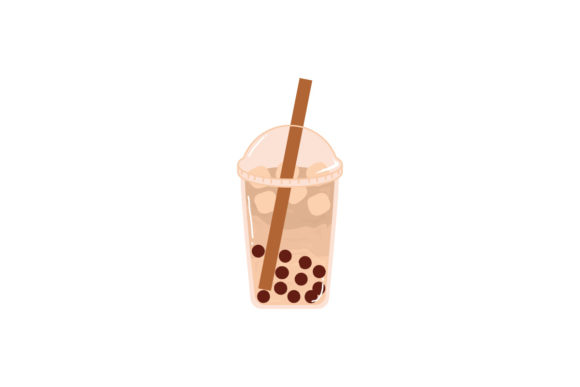
The design presents a classic, stylized bubble tea cup with a straw and those distinct tapioca pearls. It’s a vector illustration, which typically translates to clean outlines and distinct areas for embroidery stitches. The mood is fun, casual, and modern—perfect for a generation that sees boba tea as a lifestyle symbol, not just a drink. It’s not overly detailed, which is a major advantage for embroidery. This simplicity means it’s likely to stitch out clearly without becoming a dense, stiff patch on your fabric.
Where This Design Naturally Belongs
This isn’t a design for formal wear. Its personality shines on custom apparel and handmade products aimed at a younger, trend-conscious audience. I immediately pictured it on the corner of a cozy sweatshirt, centered on a reusable tote bag for a café, or as a small, sweet motif on a baby onesie for a parent who’s a boba fanatic. It would also make a charming, standalone embroidered patch or a focal point on a kitchen towel in a fun kitchen. For small shop merchandise, it’s an easy win—it’s a recognizable icon that doesn’t require explanation.
Performance in Real-World Embroidery Projects
Thinking practically, how would this graphics file behave when converted to stitches? The clear separation between the cup, the straw, and the “pearls” suggests it will work well with satin stitches for outlines and fill stitches for larger areas. On a tote bag, it would be sturdy and graphic. On a baby item like a blanket, it would add a cute, personalized touch without overwhelming the fabric.
For craft businesses and Etsy sellers, this design offers versatility. It could be the hero on a simple embroidered cap or an accent on a pillow cover. In digital product previews and printable mockups, it creates an appealing visual that communicates the final product’s vibe quickly. Its straightforward theme helps with brand consistency if you’re building a line of fun, food-themed products.
Scenarios Where You Need a Careful Approach
While the design looks clean, a few real-life embroidery situations require extra attention. First, small hoop sizes. If you’re trying to stitch this very small, those tapioca pearls could become tiny, dense dots that might lose definition or pucker the fabric. Stretchy fabrics like thin t-shirts need proper stabilizer to prevent distortion of the cup’s circular shape.
On dark fabric, you’ll need to carefully plan your thread color contrast—a light-colored cup on a black hoodie will pop, but you must ensure the straw and details don’t get lost. Also, consider the stitch density; if the file has very filled areas, it might be too rigid for a lightweight baby clothes or a flowy apron. Always test on scrap fabric first.
Impact on Customer Appeal and Product Value
From a business perspective, this design boosts visual appeal through instant recognition. A boba tea lover sees it and immediately connects. That connection translates to customer trust and buyer engagement because the product feels personally relevant. As a personalized gift, it’s a winner—it’s specific enough to feel thoughtful.
The handmade presentation benefits from the design’s clarity. A crisp, well-stitched cup looks professional and intentional, elevating the perceived value of a craft fair product or boutique branding item. Its friendly theme also enhances giftability, especially for birthdays, holidays, or just because.
Practical Notes for Embroidery Designers & Makers
Before you run this machine embroidery design on a final project, here’s my checklist. Review the stitch density in your software if possible. Confirm the hoop size you intend to use—does the scale feel right? Inspect the small details, like the straw and the pearls, to ensure they’ll be clear when stitched.
I always advise testing it in black and white mockups to see how it reads without color. Compare light and dark fabric backgrounds digitally to plan your thread palette. Crucially, as this is a graphics product, check whether the design works for both personal and commercial projects. Verify the licensing before selling finished items or including it in your digital embroidery file bundles for resale. The product description mentions it’s an illustration in a ZIP file, but the specifics for embroidery use—like exact file formats, stitch counts, or commercial rights—aren’t detailed here. You must confirm those with the seller.
Finally, consider the fabric texture. This design would stand out beautifully on smooth canvas for a bag but might get lost on a heavily textured sweater. For curved surfaces like caps, the circular cup shape might need slight adjustments in placement to look centered.
A Design Ready for Fun, Everyday Projects
In summary, the Bubble Milk Tea Ice Drink Tapioca Pearl design is a practical, charming choice for a wide range of embroidery projects. It brings a lighthearted, contemporary feel to custom apparel, embroidered patches, and small shop products. Its strength is in its simplicity and iconic theme, which translates well to stitches and resonates with a clear audience. Approach it with standard embroidery precautions—test, stabilize, and check your licensing—and it can become a reliable, appealing asset in your craft business or personal project lineup. It’s not for every occasion, but for the right one, it’s a sweet stitch indeed.