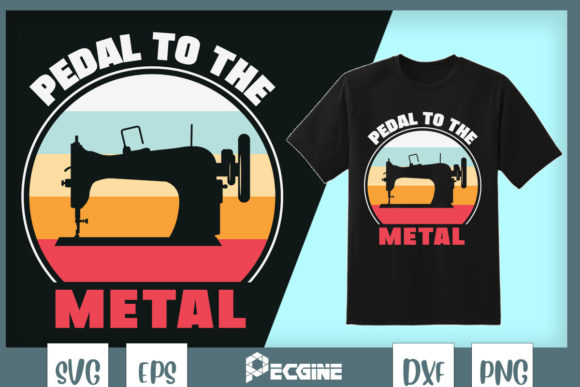
Sew Machine Pedal to Metal: A Vintage Sewer's Charm
First Stitch Impression
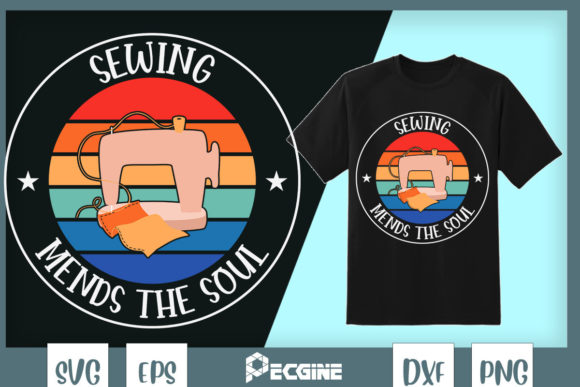
When you open Sew Machine Pedal to Metal Vintage Sewer, you’re greeted by a design that feels like a conversation with a fellow crafter. It has that classic, slightly retro aesthetic that speaks directly to anyone who loves the tactile joy of sewing and embroidery. The layout isn’t overly complex; it’s confident and clear. The detail level is thoughtful – it’s not so dense that it will become a stitching marathon, but it has enough character to stand out as a quality piece. My immediate thought was that this design belongs on something worn or used by someone who appreciates the craft, like a cherished apron or a cozy sweatshirt for a sewing marathon day.
The Natural Habitat for This Design
This isn’t a design I’d throw onto just anything. Its personality begs for specific projects. Picture a custom embroidered tote bag for a frequent fabric market shopper – it would be a perfect, personal statement. I envision it on the breast of a heavyweight sweatshirt, the stitching sitting proud on that thick cotton. For a boutique selling handmade goods, it could become a signature item on simple, well-made pillow covers or kitchen towels, elevating a utilitarian object into a giftable piece. As a personalized gift for a seasoned quilter or a new sewing enthusiast, embroidered onto a neat little apron, it carries a meaning that generic designs lack.
Performance on Real Projects
Let’s talk about how Sew Machine Pedal to Metal Vintage Sewer translates from screen to stitch. On custom apparel like t-shirts, you’d need to be mindful of the fabric. A lighter tee might require a lighter stabilizer to handle the design’s elements without puckering, but on a stable cotton or poly-blend sweatshirt, it should lay down beautifully. For a tote bag, it’s a fantastic choice – the typically sturdy canvas can handle the stitch density well, making for a durable, everyday statement piece.
Thinking of patches? This design could be embroidered as a standalone patch and then applied to a cap or a baby’s blanket, adding a handmade, heirloom touch. For small business merchandise, say in an Etsy shop specializing in maker-themed goods, this embroidery file offers a ready-made asset. It creates a cohesive brand look when used across a line of products, from aprons to tea towels, signaling a niche audience that your shop understands them.
Where Caution is Needed
This design’s charm comes from its composition, which includes text and illustrative elements. On curved surfaces like caps, the registration of those elements needs to be checked – some small details might need slight adjustment to stitch cleanly on that curve. I’d avoid very thin or stretchy fabrics unless you’re an expert at managing stabilizers; a design with this visual weight could distort on unstable bases. Similarly, on very textured fabrics, the clarity of the finer lines might get lost.
The small lettering, while part of the vintage charm, is a point to inspect closely. In your embroidery software, zoom in and check that the satin stitches or running stitches for the text are defined enough to remain legible after stitching, especially on darker fabric where thread color contrast is paramount. Always test on scrap fabric first, mirroring the final project’s fabric and color. This isn’t just about testing the machine; it’s about seeing how the design feels in reality.
The Value It Adds to Your Work
Using a design like this isn’t just about completing an embroidery project; it’s about crafting an experience. For the customer receiving a custom embroidered sweatshirt with this motif, it conveys recognition – a nod to their hobby or passion. That builds immediate engagement and trust. As a handmade product, it elevates the item from generic to personal, increasing its perceived value and giftability significantly.
For a creative entrepreneur, it offers brand consistency. If your craft business focuses on sewing supplies or maker culture, this design on your product line or even on your own workshop aprons creates a professional, cohesive look. It tells a story without a word. In commercial embroidery projects for clients, such as a local sewing café wanting branded merchandise, this design provides a ready-made solution that feels authentic, not corporate.
Practical Notes for the Embroidery Designer
Before you hoop up your final project, do these things. Review the stitch density in your software – is it appropriate for your chosen fabric? A very dense fill stitch area on a lightweight baby garment might be too stiff. Confirm your hoop size can accommodate the design comfortably, allowing for proper stabilizer management.
Check thread color contrast. How will this look on a light background versus a dark one? Create simple black and white mockups or run a test stitch on both to see. The stabilizer choice is critical – for a detailed machine embroidery design like this, you want to prevent any shifting that could blur the clean lines.
Crucially, since this product is categorized under T-Shirt Designs and Graphics, and includes file formats like SVG and EPS, it’s designed for versatility. However, always confirm the licensing terms provided with the files. Before selling finished items or using it in commercial embroidery, ensure your use aligns with the license. It’s a fundamental step for any professional or small shop owner.
A Final Thought Before You Stitch
Sew Machine Pedal to Metal Vintage Sewer is a design with a specific, warm audience. It won’t be for every project, but when it fits, it fits perfectly. It has the potential to stitch out with a clarity and charm that clients and customers will appreciate. Approach it with the practical respect of an experienced embroiderer: test it, match it to the right fabric and product, and leverage its personality to create something genuinely special. Whether for a personalized gift or for your next best-selling craft fair product, it’s a digital embroidery file that, with careful application, can become a standout finished product.