Evaluating a Witty Embroidery Design for Real Projects
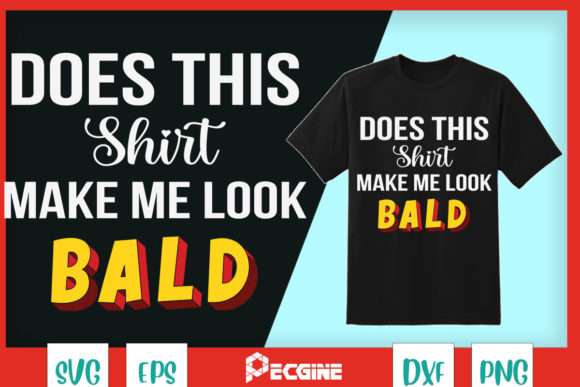
Whenever I'm reviewing a new embroidery design for my work, I look at it from two angles: the immediate visual impact and its practical journey from a digital file to a stitched, finished product. Today, I'm considering the design titled "Does This Shirt Make Me Look Bald." The name itself sets a tone—it's humorous, self-aware, and geared toward a casual, relatable audience. As a designer who often creates items for small shops and personalized gifts, my first thought is about the mood it creates. It’s not a formal or ornate piece; it’s conversational and lighthearted.
The Personality and Potential of This Casual Graphic
The design’s theme is its strongest feature. It’s a statement that feels like an inside joke, perfect for a gift between friends, a quirky item for a boutique, or a fun personal addition to your own wardrobe. The layout, assuming a straightforward text-based graphic, suggests it belongs on apparel and casual goods. The visual personality is confident and playful, not aggressive or overly sarcastic. This makes it incredibly versatile for projects where you want to add personality without overwhelming the item itself.
For embroidery, this means the design likely thrives on items where the text is the star. Think custom apparel like t-shirts and sweatshirts, tote bags for a witty gym or shopping companion, or even a simple patch to customize a plain backpack. I immediately picture it on a soft cotton tee or the front panel of a canvas tote bag. It would also make a fantastic personalized gift—maybe for a friend known for their bald-head humor or as a tongue-in-cheek Father’s Day present. For craft business items, this design could be a standout in an Etsy shop specializing in humorous embroidery, appealing to buyers looking for something unique and conversation-starting.
How It Performs in Real Embroidery Situations
Moving from potential to practice, let's think about how this embroidery file would actually perform on the hoop. A text-heavy design like this requires clarity in stitching. Every letter needs to be readable at a glance, especially since the humor relies on the phrase being understood immediately.
For custom apparel, stitching it onto a t-shirt or sweatshirt requires careful attention to stabilizer choice, particularly on stretchy fabrics. A good, cut-away stabilizer would help prevent puckering and keep the text crisp after multiple washes. For a denser fabric like a sweatshirt, the stitches will sit nicely, but you must ensure the stitch density isn’t too high, which could make the area stiff. On a tote bag or an apron, which are often made from sturdier canvas or cotton twill, the embroidery will hold up beautifully to wear and washing.
Thinking of broader applications, this design could shine on holiday gifts—perhaps a funny kitchen towel for a host or a pillow cover for a relaxed living space. It feels less suited for formal boutique branding but perfect for a small shop selling humorous merchandise or for digital product sellers creating mockups for online stores. The included file formats—SVG, PNG, DXF, and EPS—mean it's adaptable. The SVG and EPS files are crucial for scalability in digital previews and further graphic work, while the DXF is a common format for many embroidery machines.
Where This Design Requires Extra Attention
No design is perfect for every scenario. For "Does This Shirt Make Me Look Bald," there are a few situations where you'd need to proceed with care. First, small hoop sizes. If the text is lengthy or has intricate details, trying to squeeze it into a very small hoop for a baby item or a cap could compromise legibility. Always check the design's dimensions and test it in your software at the intended size.
Textured or thin fabrics, like certain knits or lightweight linen, can pose challenges. The stitches might sink into a textured surface or pull on a thin one. Dark fabric backgrounds are another key consideration. The visual appeal hinges on contrast; if you’re using dark thread on dark fabric, the joke might get lost. Always test thread color contrast on a scrap first.
Detailed corners in lettering and tiny lettering within the phrase need inspection before stitching. Running a test on scrap fabric is non-negotiable here. It lets you see if any areas become too dense or if small gaps close up. For curved surfaces like caps, the design's layout must be evaluated for distortion. A linear text design might need adjustment to follow the curve properly.
Finally, for products that need frequent washing, like baby clothes (though this is likely for adult humor) or kitchen towels, ensuring your stitch choices and stabilizers are robust is key to maintaining that handmade presentation and customer trust over time.
Impact on Customer Appeal and Business Value
From a business perspective, using this design affects more than just the stitch quality. Its visual appeal is direct and engaging, which can drive buyer engagement in an Etsy listing or at a craft fair. A well-embroidered version on a high-quality sweatshirt adds perceived product value—it feels like a unique, thoughtful item rather than a generic graphic tee.
For customer trust and professionalism, the execution matters. A crisp, clean embroidery job reinforces that your handmade product is well-crafted. If the stitching is messy or illegible, it undermines the design’s wit and your brand’s consistency. This design, when done well, has high giftability. It’s recognizable and shareable, perfect for a personalized gift that sparks a laugh.
As a commercial embroidery asset, it’s a strong choice for projects targeting a casual, adult demographic. It fits within the "T-Shirt Designs" and "Graphics" category perfectly, but its use shouldn’t be limited. It could be a great centerpiece for a custom embroidered patch sold as a standalone item.
Practical Notes for the Embroidery Designer
Before you load this file and start stitching for a client project or your own craft business items, here’s my routine checklist. First, always test the design on scrap fabric that matches your final project fabric. This is the only way to review stitch density, check for thread breaks, and inspect small details.
Check thread color contrast meticulously. Consider stitching a sample on both light and dark fabric backgrounds to see which offers better clarity. Confirm your hoop size can accommodate the design at your desired scale without needing to compress it.
Use proper stabilizer for your specific fabric—don’t skip this step. For digital product sellers using the PNG for mockups, test it in black and white mockups to ensure it works across different website themes.
A crucial, often overlooked step: confirm the licensing terms before selling finished items or using the design in commercial embroidery projects. While the product description lists the included files, it doesn’t specify the license. It is your responsibility to verify whether your intended use—selling embroidered tote bags, sweatshirts, or patches—is permitted under the design’s license. Never assume.
Finally, think about the end product’s life. Will it be a frequently washed apron? A decorative pillow cover? Choose your threads and techniques to match that lifespan. A well-considered embroidery project using a design like "Does This Shirt Make Me Look Bald" can result in a product that delights customers, supports your small shop, and truly embodies the handmade, creative spirit.