The Barber Definition: A Solid, Versatile Design for Real Embroidery Projects
First Impressions: Bold, Recognizable, and Ready to Work
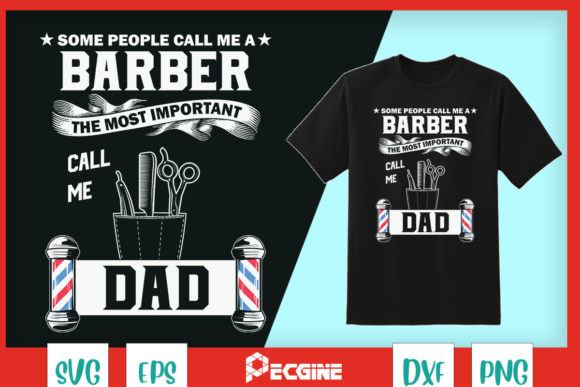
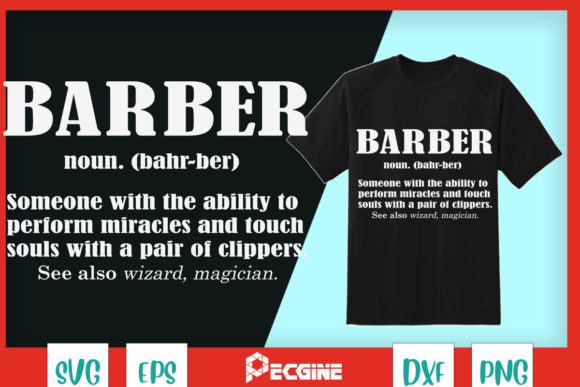
When I first opened the Best Barber Definition Ever file, my immediate reaction was appreciation for its straightforward confidence. The design isn’t overly fussy or trying to be too clever; it states its theme clearly with a classic, recognizable visual. The layout feels balanced, with the central elements commanding attention without being overly dense. This gives it a visual personality that’s professional yet approachable—a mood that sits perfectly between a gift for a passionate hobbyist and a branded item for a small business. It naturally belongs on projects where you want a statement of skill and identity, like a custom sweatshirt for a barber shop employee or a personalized tote bag for a grooming enthusiast.
Where This Design Thrives in Real-Life Embroidery
In practical application, Best Barber Definition Ever performs well across a range of typical embroidery situations. I envision it looking particularly sharp on a heavyweight cotton sweatshirt or a durable canvas tote bag—the bold lines would translate beautifully into clean satin stitches. For a craft business, this could become a staple item: an embroidered apron for a barber, a neat patch sewn onto a work cap, or even as a decorative element on a pillow cover in a themed salon waiting area. As an Etsy seller or small shop owner, you could easily build a product line around it, offering it on tea towels, blankets, or as a personalized gift for a wedding involving a stylist.
The included file formats mean flexibility. The SVG and EPS files are excellent for creating printable mockups for your online listings or for adapting the design slightly for boutique branding. For embroidery, having a clean vector source helps immensely when scaling the design to different hoop sizes for different products, from a large design on a back-of-a-shirt to a smaller version on a baby’s onesie for a nursery decor gift. It’s a design asset that encourages you to think commercially.
A Specific Scenario: Crafting a Premium Embroidered Tote
Let’s walk through a real case. Imagine you’re preparing a custom embroidered tote bag as a holiday gift for a master barber. You choose a sturdy, natural-colored fabric. Hooping it up, you consider the stitch density—the design has areas that will likely use fill stitches, which need proper stabilizer to prevent puckering on the bag’s texture. The bold lettering and central icon will benefit from high-contrast thread colors, maybe a deep black on the light fabric, to maximize stitching clarity and visual appeal. When finished, this isn’t just a bag; it’s a professional-looking, handmade product that carries immediate recognition and feels like a valuable, thoughtful gift. That’s the kind of finished product this design can help you create.
Careful Application: Considerations for Stitching Success
While Best Barber Definition Ever is versatile, there are places to use it carefully. On very small hoop sizes, some of the finer details might lose clarity—always test on scrap fabric first to see how tiny lettering or detailed corners behave on your machine. Textured or stretchy fabrics, like some knit sweatshirts, will demand extra attention to stabilizer choice to keep the definition crisp. Similarly, embroidering onto dark fabric requires thoughtful thread color selection to maintain that bold look; a simple black-on-black might lose impact.
For curved surfaces like caps, the design’s layout would need to be evaluated for orientation and size to ensure it sits well on the curved panel. And for products destined for frequent washing, like baby clothes or kitchen towels, you’d want to ensure the stitch density isn’t so high that it makes the fabric overly stiff or prone to wear. These are standard embroidery project considerations, but they’re especially relevant here because the design’s strength is its clean, professional presentation—you want to preserve that through the stitching process.
The Impact on Your Craft and Business
Using a design like Best Barber Definition Ever affects more than just the stitch count. It boosts the perceived value of your handmade product. A clean, well-executed embroidery of this theme conveys professionalism and builds customer trust. For a creative entrepreneur selling digital embroidery files or finished goods, it offers brand consistency if you’re curating a collection around grooming or trades. Its giftability is high—it’s specific enough to feel personal but universal enough within its niche to appeal to many. This kind of recognition directly influences buyer engagement in your Etsy listings or craft fair booth.
Practical Notes for Embroidery Designers
Before you stitch, do your due diligence. Always test the embroidery file on a scrap of your target fabric. Check thread color contrast by reviewing the design in both black and white mockups. Inspect the small details in the provided PNG to understand what elements will become satin stitches versus possible running stitches or fill areas. Confirm the hoop size you plan to use can accommodate the design without compromising detail. Most importantly, since this is offered as a graphic, confirm the licensing terms before selling any finished items or commercial embroidery projects. The included formats suggest flexibility, but clarity on usage rights is essential for your craft business.
Final Judgment: A Reliable Asset for Makers
Best Barber Definition Ever stands out as a solid, workhorse design. It doesn’t promise unrealistic intricacy; it promises a clear, effective theme that translates well into real thread and fabric. For embroidery designers, small business owners, and makers looking for a design that balances personality with practicality, it’s a strong candidate. Whether you’re creating a one-off personalized gift or building a line of small shop merchandise, this design provides a foundation you can trust. Your next step is to load it, test it on your scrap, and start planning that custom embroidered sweatshirt, tote bag, or cap—it’s ready to work.