The Craft of a Hand Drawn Design: An Embroidery Designer's Review
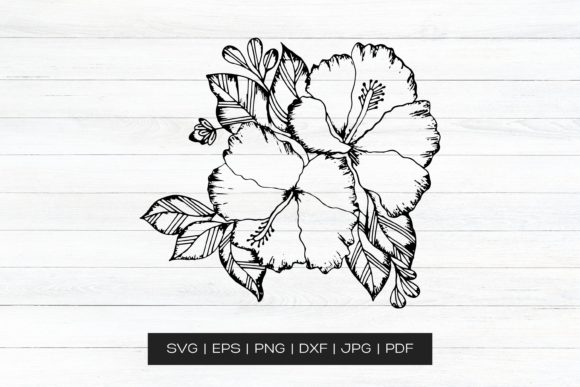
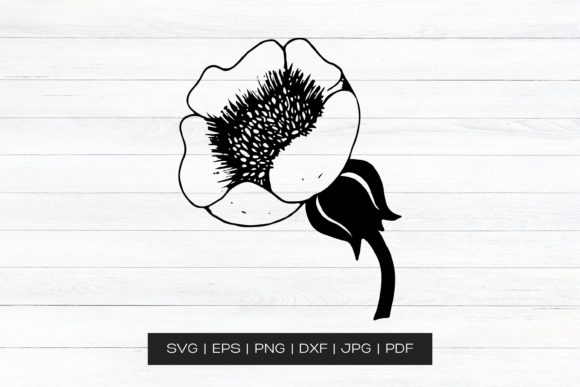
I see a lot of embroidery files, but something labeled simply as Hand Drawn Vector Art always catches my eye. It promises a specific personality, a mood that's different from the polished, technical designs I often use. When I'm considering a new design for a client project or for my own small shop merchandise, my first question isn't just about technical specs. It's about feel. How will this translate from screen to stitches? What story will it tell on fabric?
The First Stitch Impression: Personality on Fabric
The immediate appeal of hand drawn vector art is its inherent warmth. In my hands, as a designer preparing a custom embroidered tote bag or a personalized baby blanket, this isn't a cold, geometric asset. It feels approachable. The lines suggest a human touch, even before the machine starts stitching. This is crucial for the handmade product market. Customers connecting with Etsy sellers or boutique brands are looking for that authenticity. A hand drawn aesthetic, when embroidered well, delivers that instantly.
The theme and layout will dictate its natural home. Is it whimsical? Perfect for nursery decor or a playful kitchen towel. Is it more rustic or organic? Ideal for a linen pillow cover or a canvas apron. The detail level is my next checkpoint. Hand drawn can mean charming simplicity, which is a gift for embroidery—clean shapes that translate beautifully into satin stitch borders or crisp fill stitch areas. But it can also mean intentional, sketch-like detail, which requires a thoughtful approach to stitch density to retain that loose, artistic feel without becoming a muddy, dense patch on the fabric.
Where This Design Finds Its Home
Based on its description being suited for so many craft ideas, I envision this design thriving in specific embroidery projects. My mental list starts with custom apparel where personality is key: a standout sweatshirt, a conversation-starting t-shirt. A hand drawn motif on a cozy hoodie feels contemporary and friendly. It's also a prime candidate for decorative accents on home goods. An embroidered pillow cover or a tea towel with this style doesn't look factory-made; it looks curated, which elevates the product value.
For small business merchandise, like items for a craft fair, this design can become a signature piece. Its hand drawn nature aligns perfectly with the story of a handmade shop. I also think immediately of personalized gifts. A wedding gift, like an embroidered blanket with a hand drawn floral motif, carries more emotional weight. The visual personality feels considered and personal, not just generic.
The Practical Stitch: Real-Life Embroidery Considerations
Now, let's move from mood to machine. How does Hand Drawn Vector Art perform when the hoop is mounted and the thread is loaded?
For successful machine embroidery, the design's clarity is paramount. I always advise—and practice myself—testing the design on scrap fabric first. Use the same fabric you intend for the final product. Is it a textured cotton for a tote bag? A stretchy knit for a baby onesie? A smooth twill for a cap? The hand drawn lines need to hold their definition. On textured fabrics, fine details might get lost; on stretchy fabric, the whole design can distort without proper stabilizer. This test run reveals everything.
For dark fabric backgrounds, thread color contrast is my next deep dive. A hand drawn design often relies on its line work. On a black sweatshirt, will a single dark thread color render it invisible? I frequently test in both light and dark fabric mockups, sometimes even in simple black and white, to judge the silhouette and impact. This step directly affects customer engagement. A customer should see the design clearly, not struggle to decipher it.
Careful Application: When to Size Up or Simplify
Some projects require extra foresight. Small hoop sizes are a common challenge. If I'm embroidering a tiny patch or a detail on a cap's curved surface, the intricate charm of a hand drawn design can become a problem. Tiny lettering or dense, detailed corners might turn into a clogged mess of threads. In these cases, I might use the core essence of the design but simplify the stitch count in my software, or I'd choose a larger application area.
Products that need frequent washing, like kitchen towels or baby clothes, demand robust stitching. I review the stitch density implied by the design. Are there large, solid fill stitch areas that might feel stiff or wear differently than the fabric? A more open, running stitch approach might be better for longevity and comfort. This practical thinking protects the finished product's quality and builds customer trust.
From Digital File to Finished Product Value
An embroidery file isn't just a pattern; it's a business asset. Using Hand Drawn Vector Art affects the final product's appeal and your brand's perception.
For digital product sellers or those creating printable mockups, this design style offers a warm, commercially-friendly aesthetic that's great for previews. It looks professional yet creative. For commercial embroidery projects for clients, it provides a design that feels custom-made, which enhances your service's value. The client sees you offering artistic input, not just technical execution.
The giftability factor skyrockets. A hand drawn embroidered item feels inherently thoughtful. It doesn't look like a stock image from a catalog. This boosts its potential as holiday embroidery or a special occasion gift. For brand consistency, if your shop's vibe is artsy, crafty, or modern handmade, consistently using designs with this personality strengthens your visual identity across aprons, pillow covers, and apparel.
Essential Designer Notes Before You Hoop
- Always confirm licensing. Before selling finished items or using the design in commercial embroidery, verify the terms. The description mentions wide use, but clarity is your responsibility.
- Match the design to the product's purpose. A large, bold hand drawn graphic might be perfect for a poster-inspired tote bag, but too overwhelming for a delicate baby item.
- Inspect small details in your embroidery software. Zoom in. Are there micro-gaps or single-pixel lines that might vanish or break in stitching? Adjust if needed.
- Use proper stabilizer for the fabric. This is non-negotiable for preserving the design's integrity, especially on challenging fabrics like thin linens or layered garments.
- Consider the embroidery project scale. Is this for a one-off personalized gift or for batch-producing small shop merchandise? The design's complexity will affect your production time and satisfaction.
In the end, Hand Drawn Vector Art is more than a graphics file in the Crafts category. It's a potential source of character for your work. By judging it not just as a digital image but as a future set of stitches on real fabric, you make the leap from owning a design to creating a product with genuine appeal. That’s the craft.