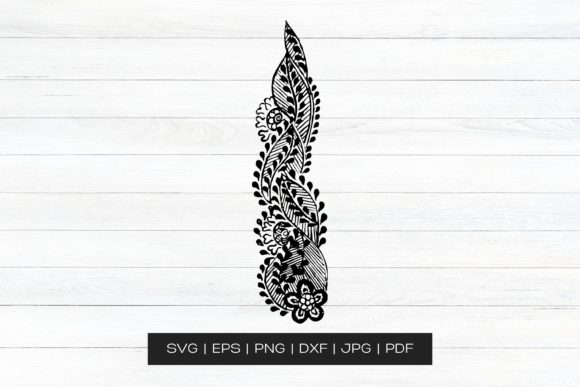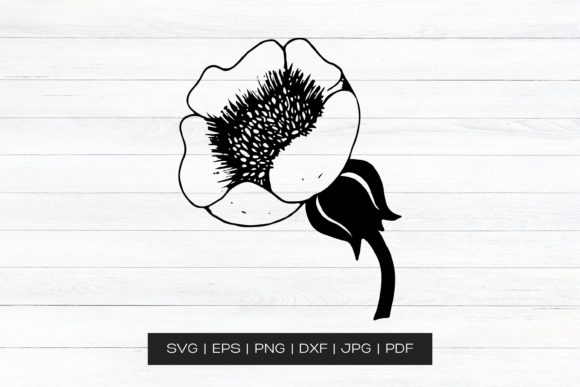
Hand Drawn Flower Art as a Versatile Graphics Asset for Crafts and Design
Opening a new design asset for review always carries a particular anticipation. The moment I loaded this Hand Drawn Flower Art, its immediate impression was unmistakable: a warmth and organic authenticity that feels genuinely crafted. This isn't a cold, vector-perfect illustration; it carries a tactile, sketched personality. The mood it establishes is one of gentle creativity, handmade charm, and approachable beauty. It naturally aligns with projects seeking a human touch, distancing itself from overly corporate or sterile visual styles.
The Immediate Fit for Client Projects: Where This Asset Shines
Imagine you’re developing the brand identity for a new herbal tea shop, an organic skincare Etsy product line, or the promotional materials for a local spring festival. This graphic design asset becomes a powerful foundational element. Its hand-drawn quality injects instant credibility into a handmade business narrative. For packaging design, such as labels for honey jars or candle boxes, it provides a decorative accent that feels bespoke. In social media graphics, especially for Instagram posts or Pinterest pins aiming for an earthy, authentic aesthetic, this art serves as a compelling visual hook.
Its application extends beautifully into physical crafts and merchandise. For a client needing a cohesive set of printable designs for a market stall—think t-shirt design, mugs, tote bags, and stickers—this single asset can unify the entire collection. The style lends itself perfectly to Cricut projects for vinyl decals or to sublimation design for pillows. As a digital product seller yourself, incorporating this into a design bundle for print-on-demand sellers could offer tremendous value.
Performance in Real-World Layouts: Strengths and Considerations
In practical application, this illustration excels as a hero graphic. Placed in large layout areas on a poster or a website banner, its details become inviting and engaging. It works wonderfully in product mockups, adding a layer of artistic detail to photographs. As a decorative border on an invitation or as a repeating pattern in editorial design for a blog about gardening, it enhances the visual mood without overwhelming the content.
Where to Apply with Confidence
- Large-scale decorative elements in marketing visuals and campaign imagery.
- Supporting brand elements for businesses with a nature-inspired, craft-oriented, or wellness-focused mission.
- Themed collections for seasonal campaigns, where the floral motif directly supports the story.
- Printable wall art and signs where the art is the focal point.
- Canva templates designed for content creators in the lifestyle and craft niches.
Where to Exercise Design Caution
A professional designer’s review must always include notes on limitations. This asset’s intricate, hand-drawn lines mean it should be used carefully at very small sizes, such as in a tiny logo on a business card or a small icon in a crowded interface. Its detail may vanish or become muddy. On complex backgrounds with competing textures, it could lose clarity and impact the visual hierarchy. For projects requiring stark minimalist branding or for professional corporate materials like annual reports, this style might feel too informal, potentially affecting the perception of visual trust and authority.
The Impact on Brand Perception and Audience Engagement
Using Hand Drawn Flower Art strategically affects every layer of a project’s impression. Its emotional appeal is high—it feels personal, friendly, and creative. This can significantly boost audience engagement for brands targeting communities valuing authenticity. For small business branding, this can be the difference between looking generic and looking uniquely thoughtful. However, brand consistency is key. If this asset is introduced, the supporting typography and color palette must harmonize. Pairing it with a sleek, modern sans-serif font might create dissonance; a complementary script or handwritten font style could solidify the handmade aesthetic, enhancing overall professionalism through cohesive execution.
Essential Designer Checks Before Client Delivery
Before committing this asset to a live client project, I run a series of practical tests. First, I test it in black and white to ensure its forms hold up without color dependency—crucial for some print applications. Checking contrast on light and dark backgrounds is mandatory; a transparent PNG file, if included, should be inspected for clean edges. I preview it at both thumbnail size and full-scale to confirm legibility.
If the file includes an SVG design, I inspect the vector editability: can I easily recolor elements to match the client’s brand palette? I place it on real mockups—a mug, a t-shirt, a book cover—to visualize the final result. A test print at high resolution confirms the print quality for physical outputs like stickers or magnets.
Most critically, I confirm the commercial license. For any client or business project, the legal right to use this design asset for commercial design purposes is non-negotiable. This foundational step protects the client’s investment and the designer’s reputation.
Final Judgment for the Creative Marketplace
This Hand Drawn Flower Art is a robust, versatile clipart or illustration for designers, content creators, and digital sellers operating in spaces where warmth and craft are valued. It supports a design direction aiming for polished yet personal results. It improves a visual mood by injecting organic texture. For the right project—a boutique product launch, a craft blog’s visual overhaul, a set of wedding stationery—it can be the defining element that makes the work feel thoughtfully assembled. As with any potent creative design tool, its power lies in the designer’s judgment: matching it to the correct client context, testing its technical performance, and deploying it with intentionality within a clear creative design framework.